The Anatomy of a Rug Pull
In cryptocurrency, a "rug pull" is the moment when developers vanish with investor funds. The term comes from the idiom "pull the rug out from under someone"—that sudden, violent removal of support that sends a person falling. In DeFi, it happens when creators drain liquidity pools, disable trading, or simply disappear, leaving token holders with worthless assets and empty wallets.
The mechanics are deceptively simple. A team launches a token with promises of revolutionary technology, celebrity endorsements, or exclusive community access. They seed liquidity pools so early buyers can trade. Prices climb as hype builds. Then, at the peak of market enthusiasm, the developers execute a built-in function—often hidden in unaudited smart contracts—that withdraws all deposited funds. The project dies instantly. The "rug" is pulled.
This is not a hack or an exploit in the conventional sense. It is betrayal by design. The code functions exactly as written; the betrayal was in the writing.
Documented Catastrophes
The crypto landscape is littered with rug pull casualties, some so massive they transcended niche finance news and entered mainstream criminal records.
OneCoin stands as perhaps the most devastating. Beginning in 2014, Bulgarian entrepreneur Ruja Ignatova sold "educational cryptocurrency packages" to millions of investors across 175 countries. OneCoin never actually operated on a blockchain—it was a centralized database masquerading as cryptocurrency—yet Ignatova convinced investors they were buying into "the Bitcoin killer." When she vanished in October 2017, approximately $4 billion had disappeared with her. The FBI added her to their Ten Most Wanted list; she remains at large.
Squid Game Token demonstrated how quickly the template could execute. Launched in October 2021, the token exploited Netflix's viral Korean drama, claiming association with an upcoming play-to-earn game. Within days, the price surged 23,000,000 percent. The developers—anonymous, naturally—disabled sell functions through anti-dump mechanisms that only they could bypass. Then they drained liquidity. Investors lost an estimated $3.38 million. The entire cycle: eleven days.
Thodex, Turkey's largest cryptocurrency exchange until it wasn't. Founder Faruk Fatih Özer fled to Albania in April 2021, taking $2 billion in customer assets. Some 400,000 users found their accounts frozen, their savings evaporated. Interpol issued a red notice; Özer was extradited in 2023 to face charges carrying potential sentences of thousands of years.
AnubisDAO pulled $60 million in November 2021, mere twenty hours after launch, when a single address drained the treasury. Luna Yield vanished with $6.7 million in August 2021. Poly Network—technically an exploit rather than pure rug pull—saw $600 million stolen before the unusual return of funds. The pattern repeats across chains, across years, across jurisdictions: trust, exploit, vanish.
Why This Name? Why These Villains?
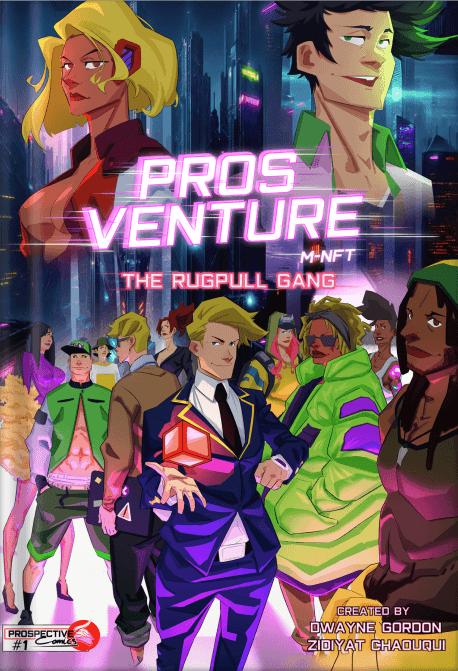
Prospective Comics did not stumble into this terminology. The publisher built its entire cyberpunk universe on TRON blockchain infrastructure, then named its central antagonist faction after the ecosystem's most notorious crime.
This is not subtle worldbuilding. It is direct confrontation.
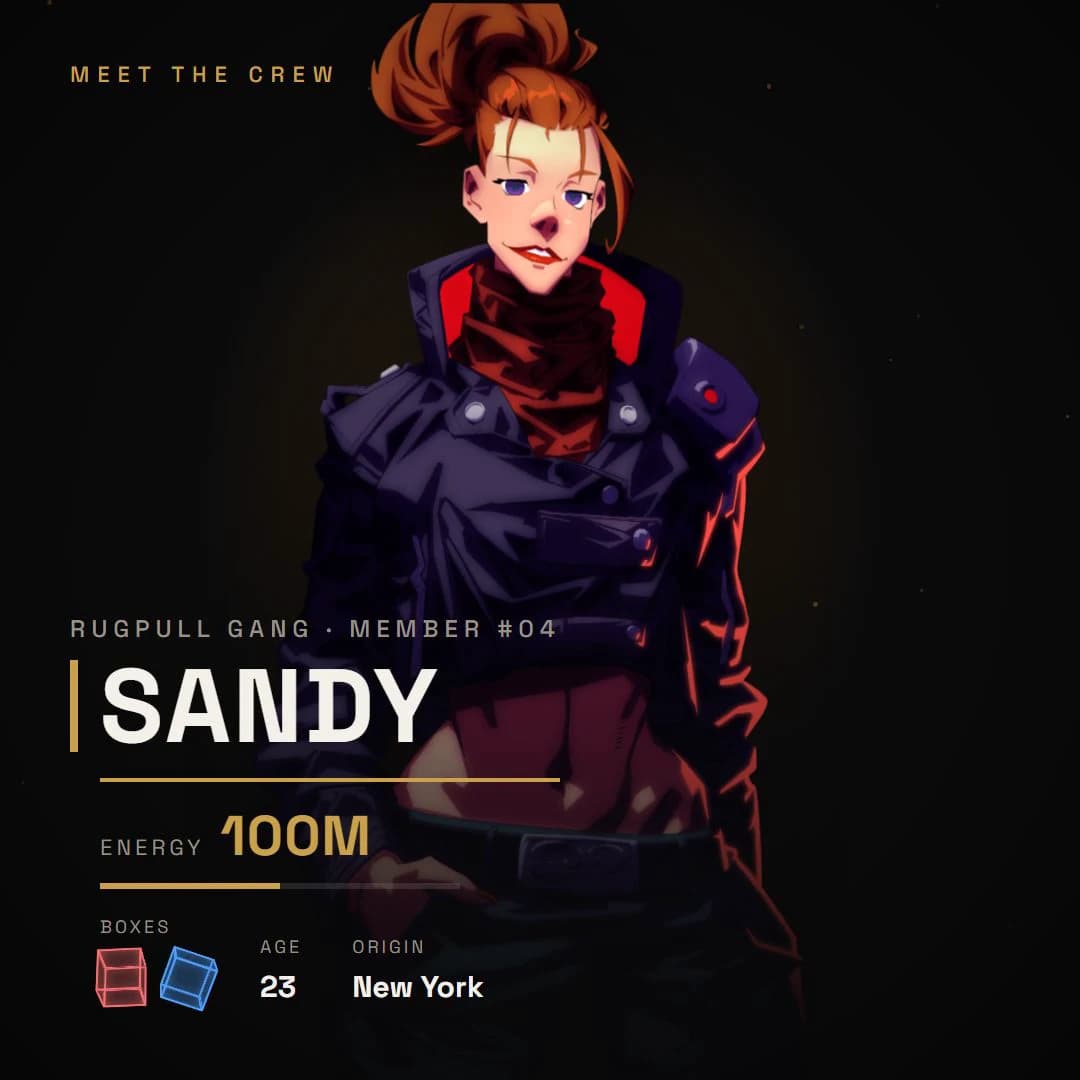
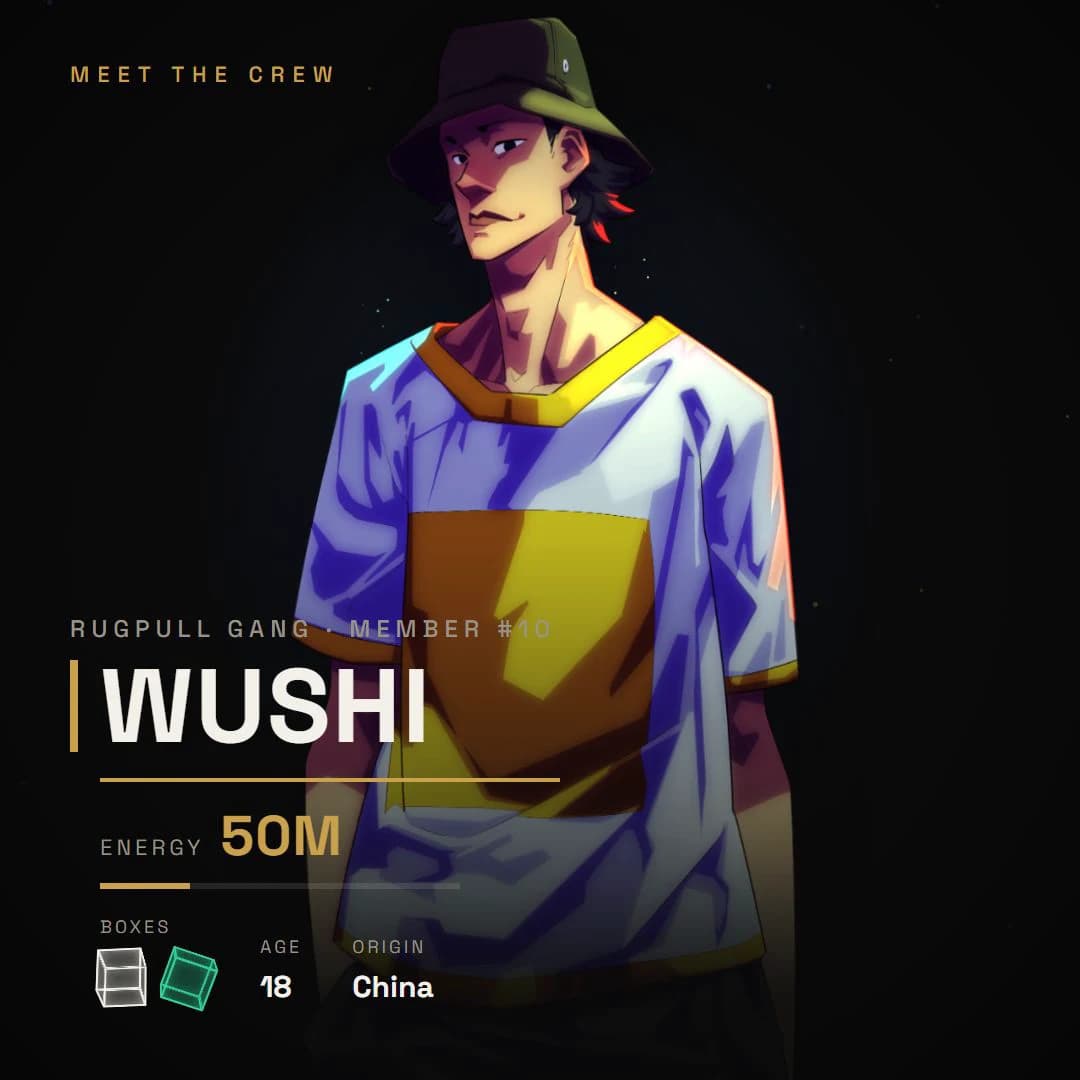
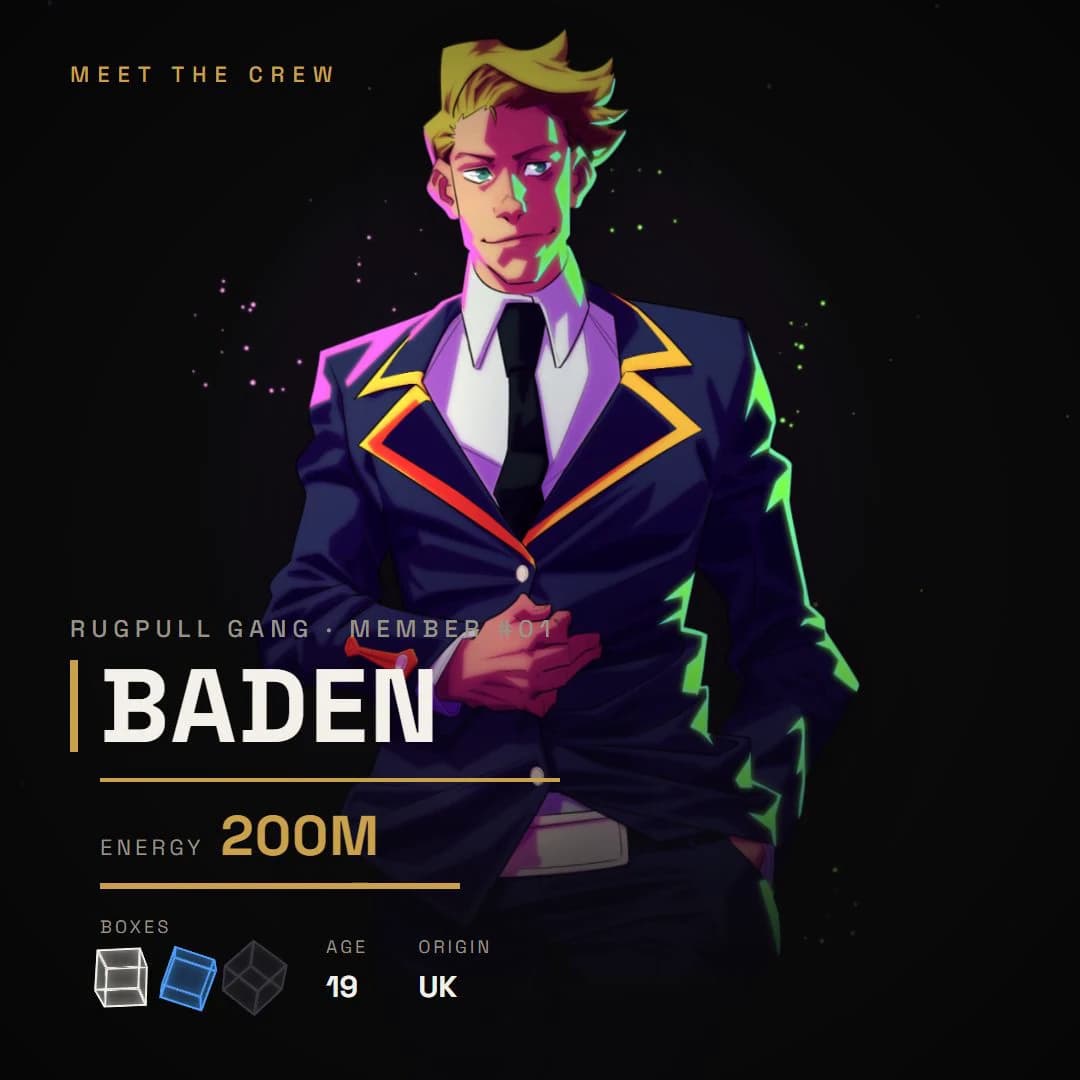
The fifteen members of the Rugpull Gang—viewable at proscomics.com/characters/—operate in Issue 01's New Manhattan, a levitating city above the desert ruins of old America. We see Zwycz running something on a laptop that holds a packed venue transfixed. Prince stands beside him. The specifics remain unrevealed; the comic withholds operational details as deliberately as the M-NFT system withholds its full modification mechanics.
What we know: the gang's name carries real weight. In a universe where TRON blockchain infrastructure underpins the setting, "Rugpull Gang" announces their methodology before they speak a line. These are not hackers seeking chaos. They are architects of betrayal, operators who build systems designed to collapse at maximum profit.
The naming choice reflects Prospective Comics' broader narrative strategy. The series treats blockchain not as aesthetic window-dressing but as lived infrastructure with documented failure modes. When the unnamed woman portals into ruined Baltimore in Issue 01's opening pages, when she summons her red machine and rides east toward New Manhattan, she travels through a landscape where trust has been weaponized before. The Rugpull Gang await her arrival. The collision is inevitable; it has not yet happened.
The M-NFT Connection
The comic's modifiable NFT system—advertised as the first of its kind—mirrors this thematic territory. Each "Meet the Crew" card displays an inventory of M-NFTs held by that character: literal boxes representing literal artifacts within the fiction. Baden carries three. Lala carries one. Most members carry two. Degen and one unnamed profile show zero, their data redacted.
What can be modified, by whom, under what conditions—these answers unfold with the story, deliberately withheld. The uncertainty is structural, not accidental. Just as rug pulls depend on information asymmetry between creators and investors, Prospective Comics embeds mystery at the protocol level. The parallel is uncomfortable and intentional.
Reading the First Collision
Issue 01 of "Rise of the Rugpull Gang" establishes two narrative strands that do not yet touch: the woman's journey inward, and the gang's operations within. She reaches New Manhattan's edge as the issue closes. "So this is New Manhattan." The name hangs unspoken between her recognition and their presence.
The real history of rug pulls—OneCoin's billions, Squid Game's hours, Thodex's national scope—provides the gravity beneath this fiction. When Prospective Comics named their villains, they imported every documented betrayal, every frozen account, every extradition and wanted poster. The Rugpull Gang inherit this weight not through exposition but through etymology.
The comic is available now: £24.99 through Stripe, printed and shipped worldwide, no wallet required. The first collision approaches. The rug, in this universe, has not yet been pulled. But the name promises it will be.
Read Issue 01 at proscomics.com/comic.