
Why Physical Comics Still Win as Gifts
In an age of subscription fatigue and digital lock-in, the physical comic book has become something almost radical: an object you actually own. No account required. No update waiting. No licensing agreement to scroll past. When you hand someone a printed comic, you're giving them a complete artifact—something that survives dead batteries, platform shutdowns, and the slow erosion of digital access.
For anime fans especially, this matters. The manga and anime community has always understood the value of the tangible. Collectors arrange their shelves with deliberate care. They appreciate weight, paper quality, the particular satisfaction of a perfect spine. A physical comic speaks their language.
The gift comic occupies a sweet spot that other media struggle to reach. It's substantial enough to feel significant—more than a card, more than a download code—without the intimidation of a multi-volume commitment. Twenty-four pages is a complete experience. You can read it in one sitting, return to it, display it. It doesn't demand ongoing investment or prior knowledge. It simply exists, fully realized, in your hands.
The Format Question: Print vs. Digital for Giving
Digital comics have their place. They're convenient, instantly available, environmentally lighter. But as gifts, they introduce friction that undermines the entire point of giving.
Consider the recipient experience. A digital comic requires account creation, platform navigation, device compatibility checks. The gift becomes a task. The giver becomes tech support. The moment of unwrapping dissolves into troubleshooting.
Print comics bypass this entirely. The exchange is immediate and complete: here is the thing, it is yours, you can use it now. This matters enormously for gift-giving, where the ceremonial moment—the unwrapping, the first impression, the physical discovery of what's inside—constitutes much of the emotional value.
For anime fans specifically, print offers another advantage: fidelity to their existing collecting habits. Manga readers already build physical libraries. They understand spine design, cover art as display piece, the particular pleasure of sequential shelving. A printed comic slots naturally into this ecosystem rather than demanding new infrastructure.
The environmental argument deserves acknowledgment. A single printed book carries embodied carbon. But digital isn't costless—server farms, device manufacturing, planned obsolescence. For a gift intended to be kept, reread, potentially passed along, print's durability often wins over digital's ephemeral convenience. And when the print option uses standard worldwide shipping rather than expedited air freight, the impact moderates further.
What Makes a Cyberpunk Anime Comic Special
Cyberpunk as a genre carries particular weight with anime audiences. The aesthetic lineage runs deep: Akira, Ghost in the Shell, Serial Experiments Lain, Cyberpunk: Edgerunners. These works established visual and thematic vocabularies that persist across decades. A new cyberpunk comic enters into conversation with this heritage—must earn its place through distinctive execution.
The anime art style compounds this expectation. It's not merely "influenced by" anime; it commits to the visual grammar. Expressive eyes, dynamic linework, environmental detail that rewards attention. For fans, this signals respect. The creators understand what they're referencing. They're not approximating from outside.
The combination creates a specific gift opportunity. You're not giving someone a comic "they might like because they like anime." You're giving them a comic that operates in their visual native language, that extends a tradition they already value. The recognition is immediate. The appeal doesn't require explanation.
Rise of the Rugpull Gang: A Case Study in Giftable Design
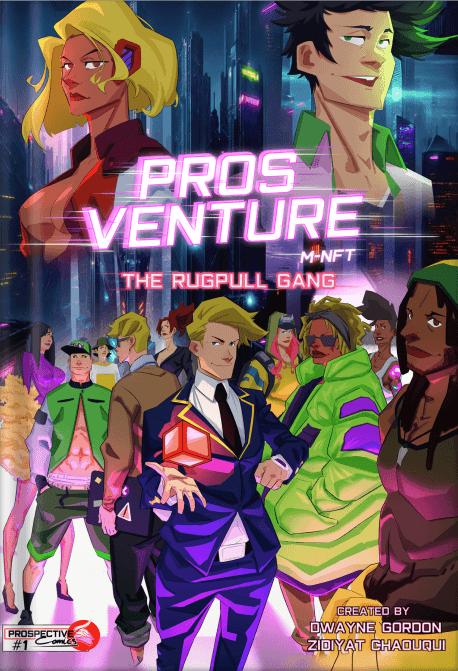
Rise of the Rugpull Gang, Issue 01 from Prospective Comics, demonstrates how these principles translate into practice. The physical object is unambiguous: 24 pages, full color, anime-style art, printed and shipped worldwide. The transaction is equally direct—£24.99 via card through Stripe, no wallet, no tokens, no account creation. The recipient receives a book. Nothing else is required.
This matters for gift-giving because it removes every potential barrier. You don't need to explain blockchain infrastructure. You don't need to set up digital wallets or walk through token claims. The comic is simply the comic. The technology that enables its production and its fictional setting (the TRON blockchain rendered as literal world-building) never intrudes on the reading experience.
The content supports this accessibility. Issue 01 establishes two narrative threads that will converge: an unnamed woman's journey through ruined Baltimore toward New Manhattan, and the Rugpull Gang's operations within that floating city. The structure rewards immediate engagement—you don't need prior investment to follow what's happening—while building mystery that invites return. Who is the portal-traveling woman? What is her relationship to the AI Lecky? What exactly are the gang running in that packed venue? The answers are coming, but the present experience is complete.
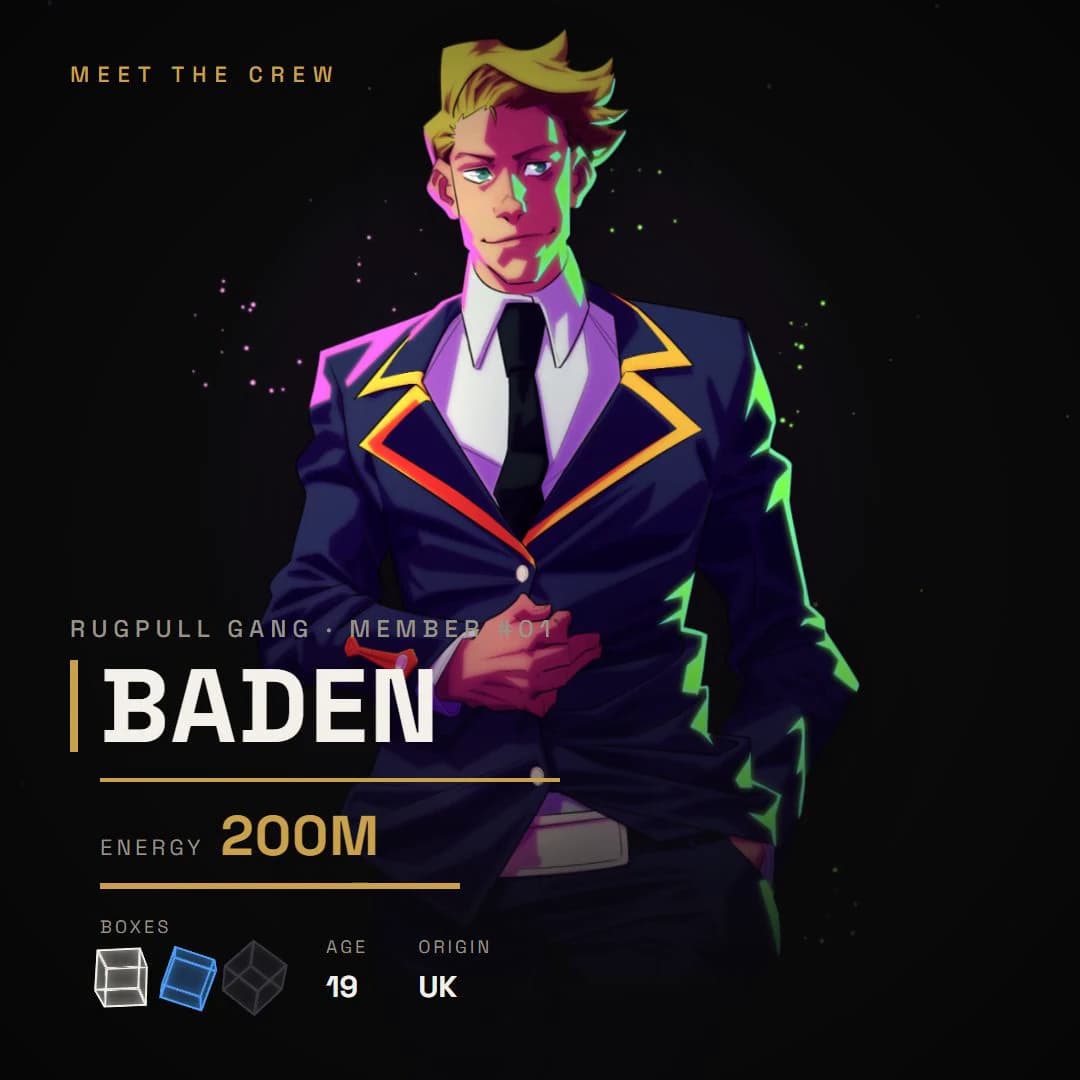
For anime fans, the visual execution carries particular weight. The character designs for fifteen Rugpull Gang members (detailed at proscomics.com/characters/) demonstrate range and specificity. The environmental work—sand-buried ruins, levitating urban platforms, the red machine summoned from desert—establishes scale and atmosphere. This is cyberpunk that understands its inheritance without being imprisoned by it.
The M-NFT ecosystem (detailed at prospective.world/gallery) operates entirely outside the comic purchase. The Modifiable NFTs—artifacts held by characters in quantities that vary by individual, with tiers from Common to Legendary—constitute a parallel engagement for those interested. But they are not the comic. They are not required for the comic. The gift is complete without them, which is precisely what makes it giftable.
The Price of Thoughtfulness
£24.99 sits in a deliberate position: below the threshold of major hesitation, above the territory of disposable impulse. It's enough to signal care, to suggest this is something selected rather than grabbed. For a full-color, professionally produced comic with worldwide shipping included, it represents genuine value.
More importantly, it's a price that doesn't escalate. No subscription. No "unlock the rest" paywall. No hardware requirements that imply further investment. The gift is bounded and complete. This is increasingly rare, increasingly valuable.
Choosing for the Recipient
The ideal recipient for Rise of the Rugpull Gang is clear: someone who appreciates anime aesthetics, who enjoys cyberpunk's thematic territory, who values physical media but may not be deep into American comic collecting. They might be manga readers looking for something adjacent. They might be Cyberpunk 2077 players curious about narrative extensions. They might be collectors of the visually striking who haven't yet found their entry point into indie comics.
What they don't need: technical expertise, prior familiarity with the series, tolerance for digital friction. The gift meets them where they are.
Where to Begin
The complete first issue awaits at proscomics.com/comic—sample pages, purchase details, and the straightforward path from decision to delivery. Issue 02 is in production, which means this is also an invitation to something ongoing. But the gift is complete in itself. That's the point.
Some presents require patience, explanation, setup. This one requires only that you hand it over, and that they turn the first page.