Why Indie Comics Are Worth Your Attention in 2026
The argument for reading outside Marvel and DC has never been stronger. Independent publishers — Image, Boom! Studios, Dark Horse — and fully self-published titles are producing work that the corporate publishers structurally cannot: stories with a single creative vision, no editorial interference, no continuity obligation, no shared universe to answer to. The art is stranger. The endings are possible. The creative risk is real because the creators own what they make.
Here are six titles worth knowing.
Saga — Brian K. Vaughan & Fiona Staples (Image Comics)
If you have read one indie comic in the last decade, it was probably Saga. Vaughan and Staples built a space opera about two soldiers on opposite sides of an intergalactic war who fall in love, have a child, and spend the series running from everyone who wants to kill them. The scope is enormous; the emotional register is precise. Nothing about it is easy to put down.
After a three-year hiatus, Saga returned in 2022 and has been publishing since. If you have not started it, the collected volumes are the cleanest entry point. If you lapsed during the break, it rewards going back.
Monstress — Marjorie Liu & Sana Takeda (Image Comics)
Monstress is the kind of comic you buy for the art and then cannot stop reading for the story. Takeda's linework is intricate beyond what most comics attempt — she is doing things with page composition that belong in an illustration annual as much as on a comics shelf. Liu's world-building is correspondingly dense: an alternate Asia-influenced fantasy setting, an ongoing war between humans and arcanic beings, a protagonist with a catastrophic power she cannot fully control.
It has won every award it could enter. The density is real — this is not a quick read — but the investment compounds with each volume.
Something Is Killing the Children — James Tynion IV & Werther Dell'Edera (Boom! Studios)
Children are disappearing from a small American town, and the adults cannot see what is killing them. Erica Slaughter can. Tynion IV and Dell'Edera set up a premise that sounds familiar — monster horror, small-town dread — and then execute it with enough restraint and genuine unease that the familiar elements start working as well as they ever have. Dell'Edera's creature design carries its own weight.
The series has spawned a connected universe at Boom! Studios. The original run is the place to start, and the first volume moves fast enough that you will know within a few issues whether you are in for the long term.
Black Hammer — Jeff Lemire & Dean Ormston (Dark Horse Comics)
Lemire's meditation on the superhero genre uses a single premise — what happens to the heroes after the big battle, when they are stranded in a small town with no way back to their former lives — and turns it into something genuinely melancholic. Black Hammer is less interested in action than in what purpose does to a person when it is taken away. Ormston's art is expressive and unglamorous in exactly the right ways for the material.
The original series concluded; there are multiple spinoffs and sequels. The first arc is a complete enough unit to read without continuing, and it functions as a standalone if that is all you want.
Ice Cream Man — W. Maxwell Prince & Martín Morazzo (Image Comics)
Ice Cream Man runs as a horror anthology: each issue is a standalone story, connected only by the figure of the ice cream man who appears at the edges of each narrative as something between a narrator and a force. Prince's writing is formally experimental in ways that sustained monthlies rarely attempt, and Morazzo's clean linework makes the horror work harder for its effect. It is inventive in a way that does not stop inventing.
Good entry points are anywhere. The issues are self-contained enough that you can start at nearly any volume without missing context.
Rise of the Rugpull Gang — Prospective Comics
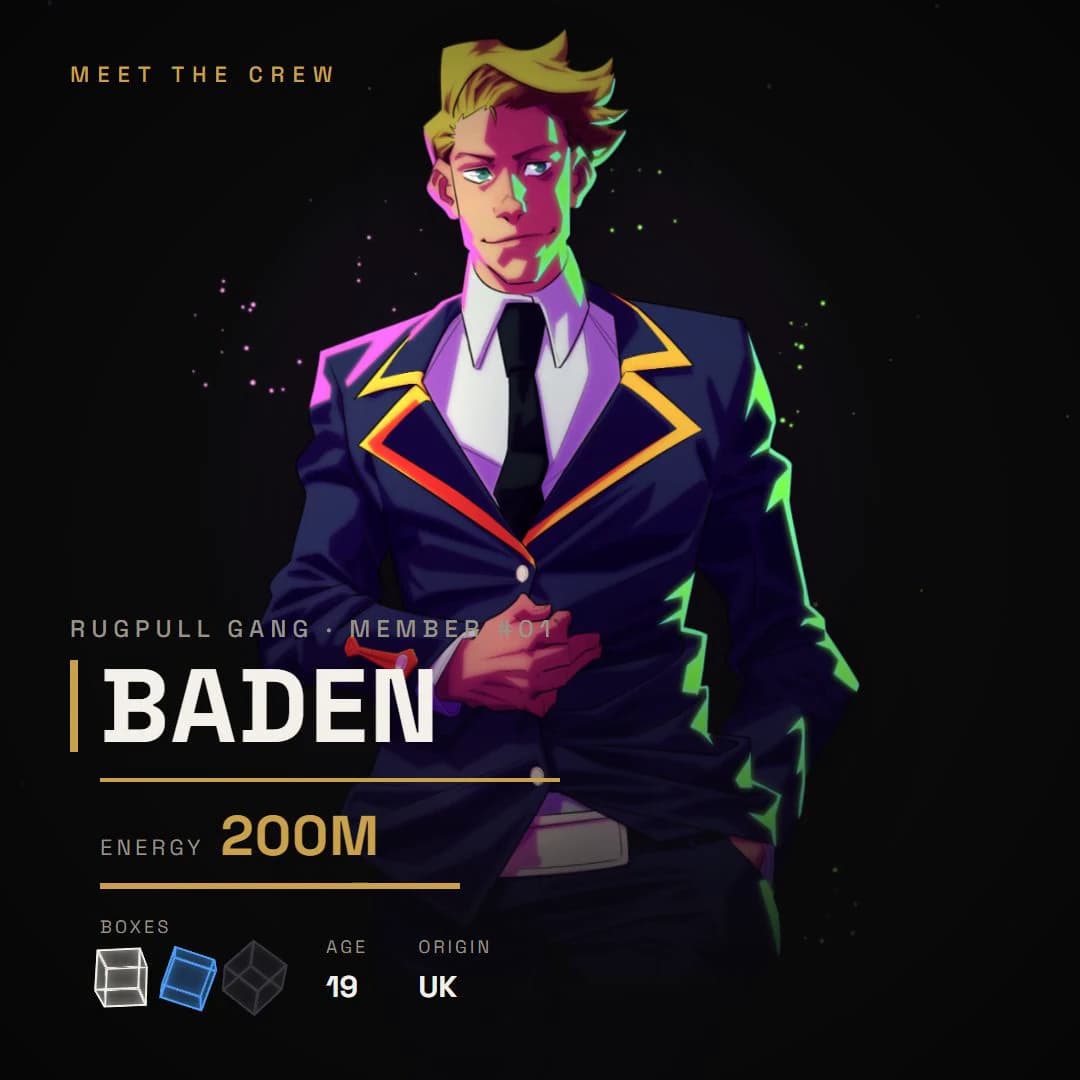
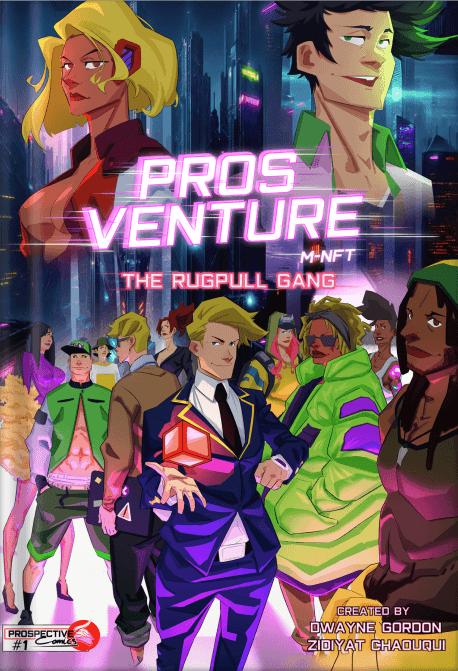
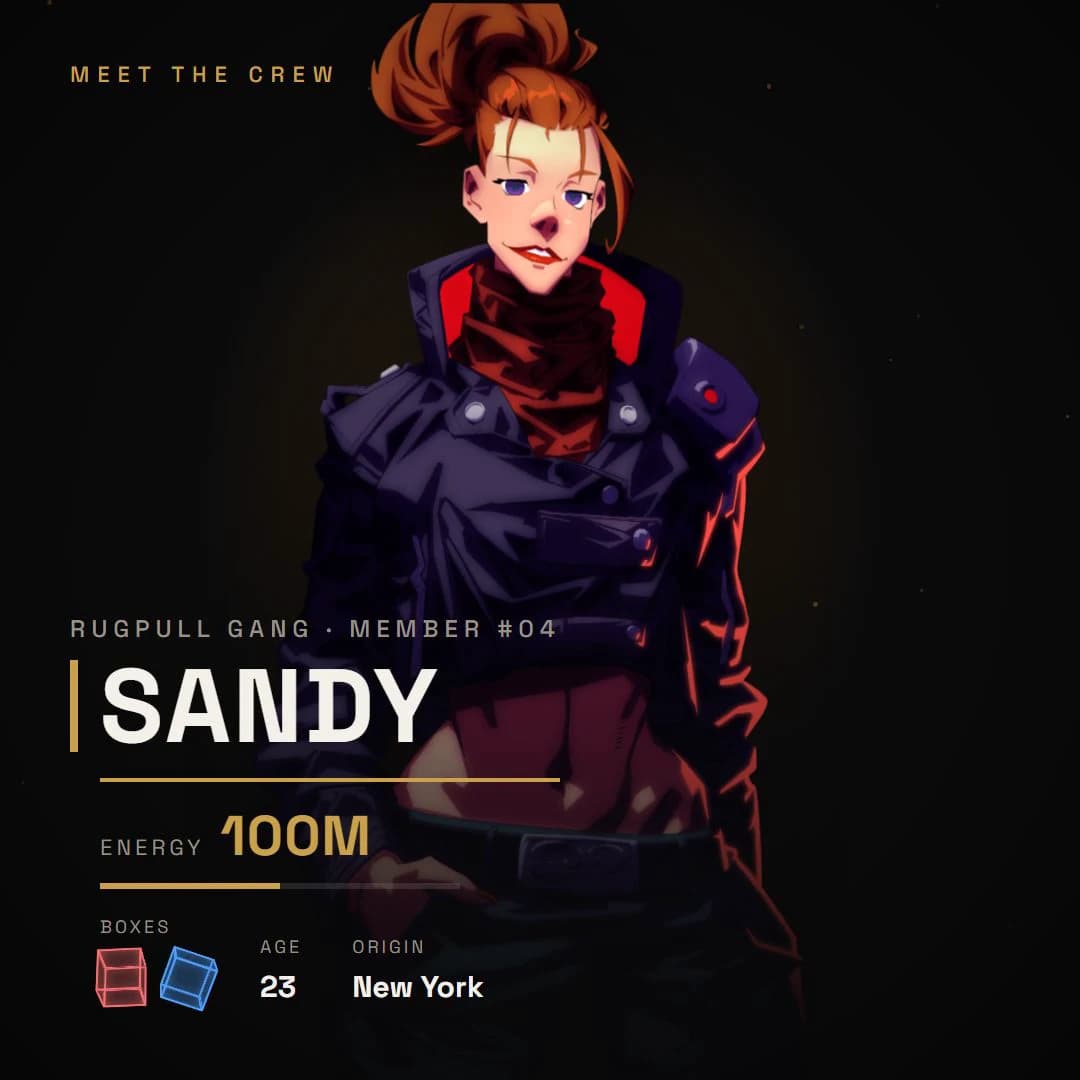
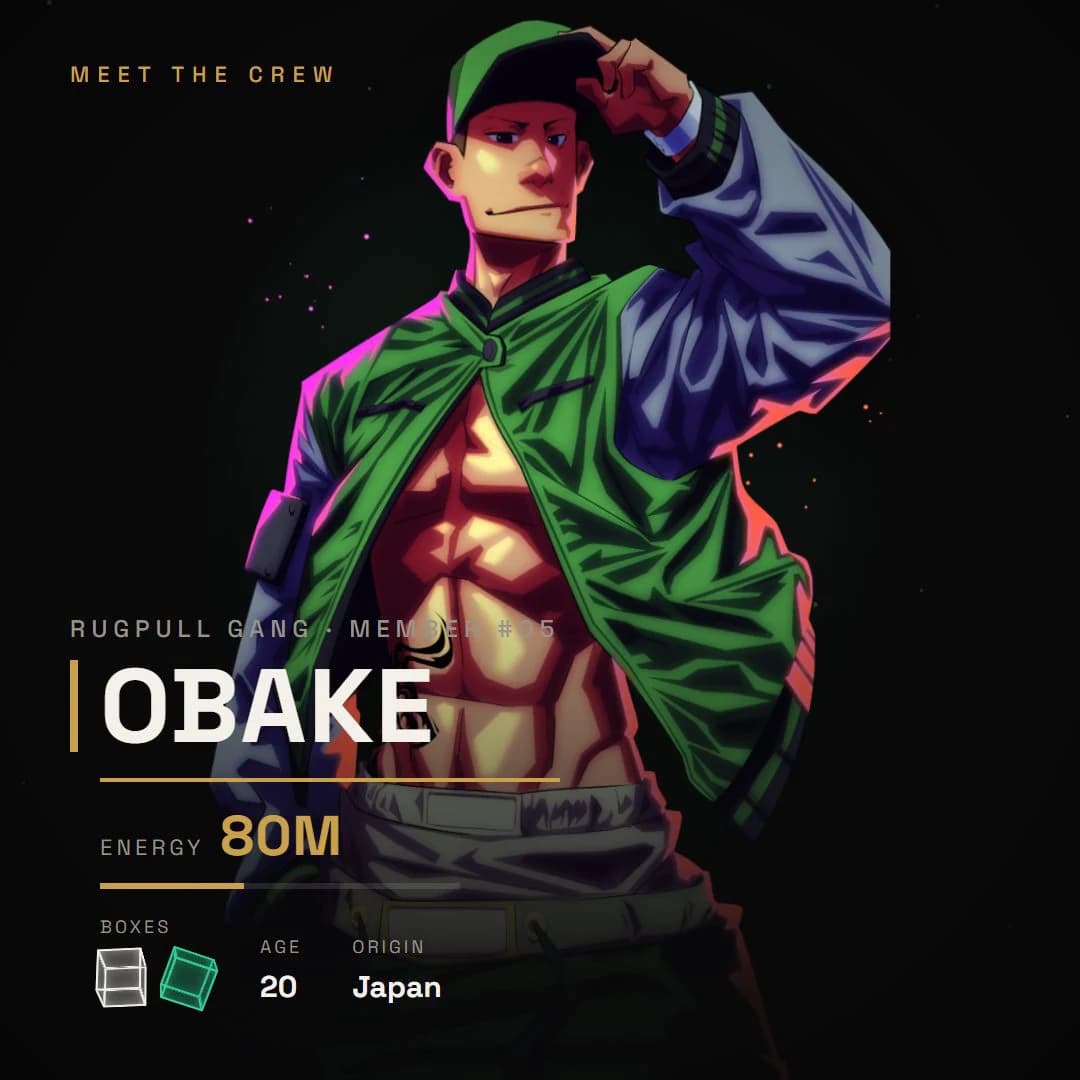
Rise of the Rugpull Gang is a self-published anime-style cyberpunk comic set in New Manhattan, a city built on the TRON blockchain. Issue 1 is 24 pages, full colour, with fifteen characters and a premise that draws directly from the language of crypto fraud — rug pulls, liquidity games, the mechanics of financial disappearing acts — without needing a reader to know any of that to follow the story.
The visual language borrows from anime in ways that feel deliberate rather than derivative: the character design, the line weight, the expression work in close-up. The gang is on-page from the opening sequence, and the book trusts its readers to orient themselves without a formal preamble.
Issue 1 is available at /comic for £24.99. It is a card payment through Stripe for a printed book that ships worldwide. No wallet, no tokens, no account required. It is a book purchase in the same sense any limited print run is a book purchase.
What These Have in Common
Six very different books. The shared characteristic is creative ownership: every title on this list was made by people who kept enough control over what they were making that the creative risk shows up on the page. Corporate superhero publishing cannot end a story — continuity and licensing prevent it. These can. Some of them have. That changes what the reading experience is, and what it is worth.
Independent comics in 2026 are not a consolation prize for readers who have moved on from the big two. They are where the most interesting work is happening.